
The Winter Skin Reset: Why 2026’s Biggest Skincare Trend Is All About Repair
Share


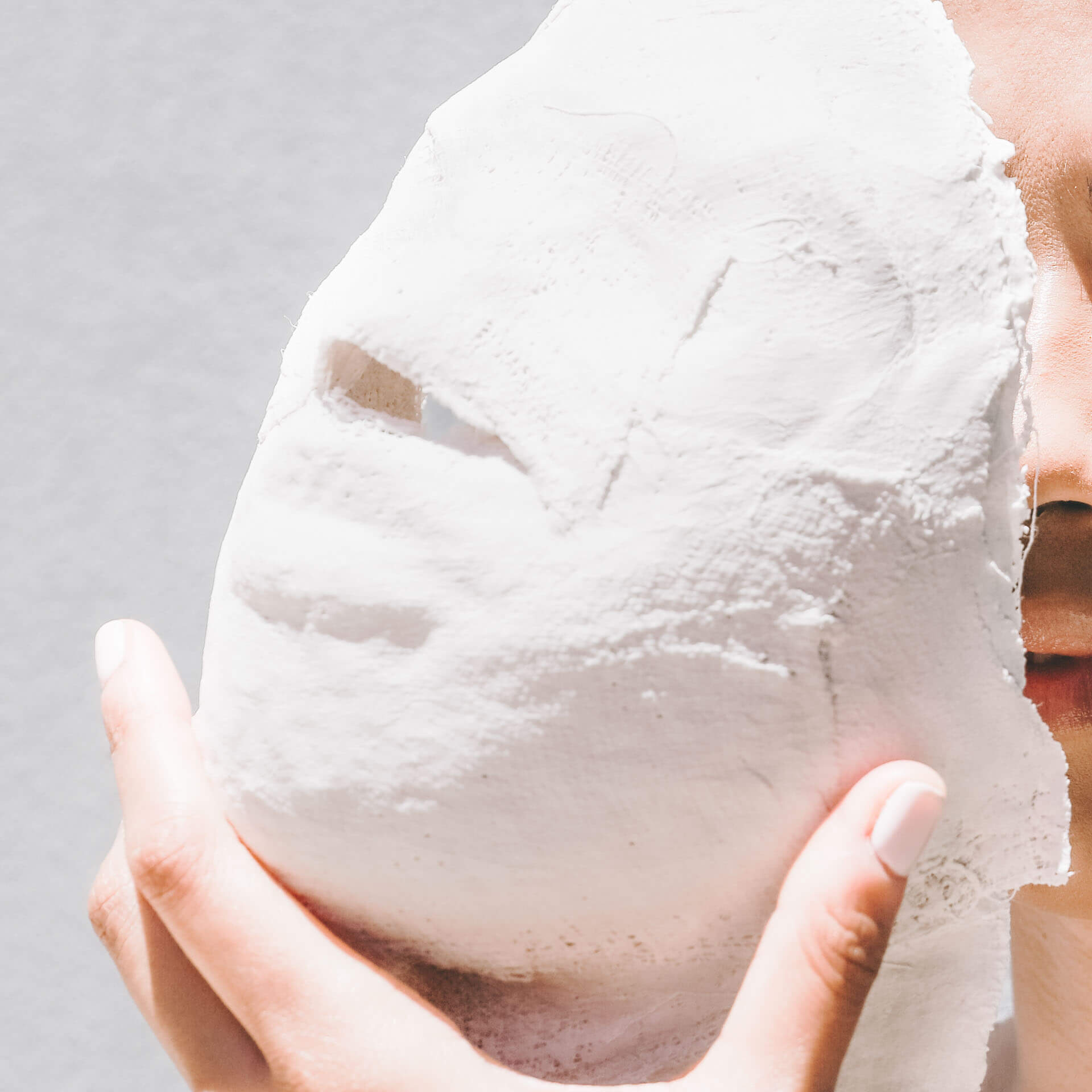
There’s a particular kind of skin that shows up in Cape Town every July. It’s tight across the cheeks by mid-morning, dull by 3pm, unimpressed by the moisturiser that worked perfectly well in February. Between the Atlantic wind, the heaters and the long hot showers we all secretly take, winter takes a toll on our skin more than any other season. And this year, the skincare industry has been squarely focussed on repairing and protecting the skin barrier and supporting the skin’s own healing functions.
Across 2026, brands are moving away from aggressive, resurface-at-all-costs treatments and toward barrier-first, regenerative approaches that work with the skin rather than against it. For anyone battling Cape Town’s dry season, that shift couldn’t be better timed.
The Skin Barrier Is Having a Moment
If you’ve felt like your skin can’t hold onto moisture no matter how much you apply, you’re not imagining it. Cold, dry air strip the outermost layer of skin (i.e. the barrier) of the lipids that normally keep water in and irritants out. Once that barrier is compromised, everything feels harder: makeup sits poorly, actives sting and dullness sets in.
This year’s most trusted ingredients are the ones built to rebuild that barrier rather than bypass it. Think ceramides to replace lost lipids, peptides to support the skin’s own repair signals and hyaluronic acid to bind moisture where it’s needed most.
Read more about Barrier Function in our blog “Barrier Function: Why your Skin’s Health Depends on it”
Regenerative Skincare Moves From Buzzword to Treatment Room
The more interesting development is happening a layer deeper. 2026 has seen a real move toward regenerative, biotech-driven ingredients like exosomes, PDRN and growth factors. These ingredients work by encouraging skin to repair and renew itself, rather than simply exfoliating or plumping it temporarily. It’s a quieter, more patient approach than the aggressive peels and lasers that dominated skincare conversations a few years ago, and it’s backed by a growing body of clinical research rather than trend-cycle hype.
It’s an approach we know well. At Meraki, our growth factor induction therapy and BioRePeel treatments are built on exactly this principle i.e. supporting the skin’s own regenerative processes for results that build over time, rather than shocking the skin into a short-lived glow. And winter is actually the smartest time to start. Skin is already dealing with wind, cold and dry indoor heating, so it makes more sense to help it repair than to hit it with something harsh.
Self-Care as Strategy, Not Indulgence
The broader wellness industry is telling a similar story. This year’s spa and wellness trends point firmly toward personalisation and measurable outcomes. Guests want treatments tailored to their actual skin and lifestyle, with real results, not just an hour of relaxation (welcome as that always is). It’s part of a wider cultural shift toward self-care as maintenance rather than luxury: something scheduled deliberately, the way you’d book a dentist appointment, rather than squeezed in as an afterthought.
For Cape Town in particular, winter is an unusually good season to embrace that mindset. The city slows down, the light turns golden and low, and there’s a natural pull toward staying in, warming up and doing the deeper work.
Your Winter Reset, Done Properly
If your skin has been asking for more than a new moisturiser, this is the season to pay attention and make the switch. A personalised consultation can identify exactly where your barrier needs support and whether a regenerative treatment, like growth factor induction therapy or a BioRePeel can make a huge shift in your skin’s health right now.
Book a skin consultation with our somatologists at Meraki, V&A Waterfront, and let’s put together a winter plan that actually works with your skin, not against it.
Discover our Total Reset Package, which includes the BioRePeel Treatment. This package has been purposefully designed to restore brightness, refine texture and target visible signs of ageing.
Frequently Asked Questions
How do I know if my skin barrier is compromised?
Common signs include tightness that doesn’t ease with moisturiser, stinging when you apply products that never used to sting, and a dull or uneven texture that persists no matter what you use. A consultation can confirm what’s actually happening and rule out over-treatment as the cause.
Is winter a good time for growth factor induction therapy?
Yes. Because it works with the skin’s own repair processes rather than resurfacing it aggressively, it fits well alongside what winter skin is already trying to do, which is recover and rebuild rather than be pushed further.
Should I switch my whole skincare routine for winter, or just add a few products?
It depends on your skin’s current barrier health. For some people, adding a richer moisturiser and an occlusive layer is enough. For others, especially if actives have started stinging, a fuller reset with professional guidance gets better results than adjusting products alone.
What’s the difference between BioRePeel and a traditional resurfacing peel?
BioRePeel is designed to refine and support skin regeneration with minimal downtime, which is why it fits a repair-first winter approach better than a more aggressive peel that asks more of an already-stressed barrier.